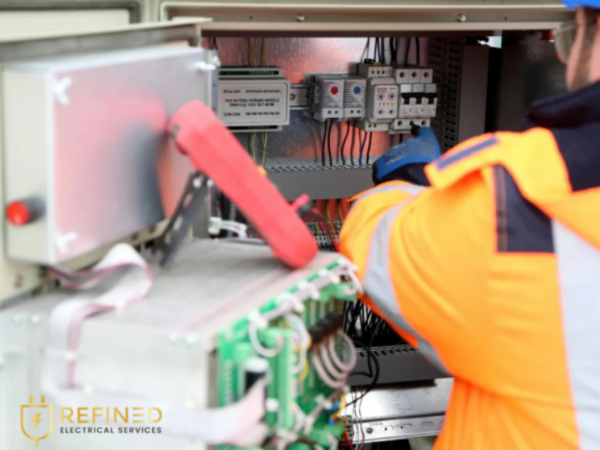
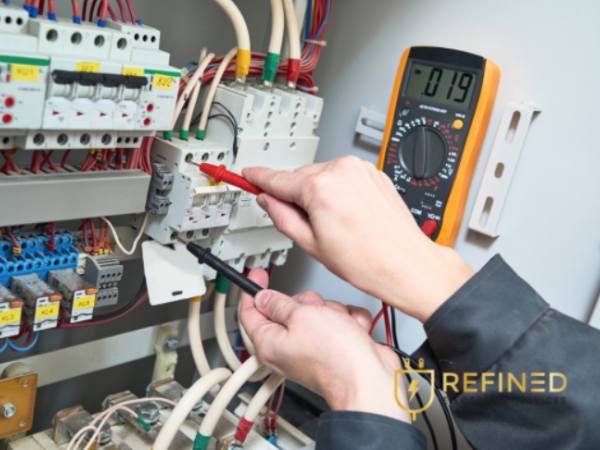
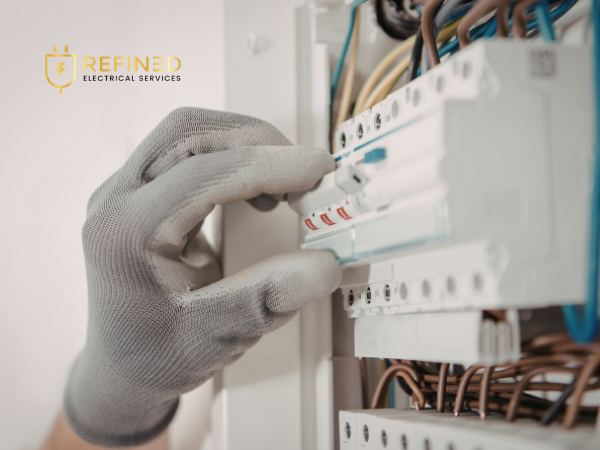
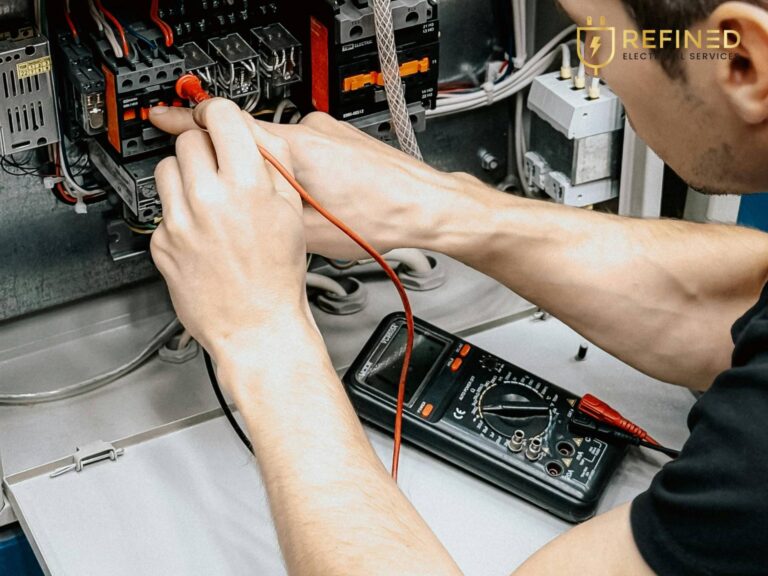
An electrician is a professional who specializes in the installation, maintenance, and repair of electrical systems in homes and businesses. Electrical work can be complex and dangerous, requiring proper knowledge and training. In Spring, TX, a certified electrician in Spring TX ensures that electrical systems are working properly, up to code, and safe for use. Whether you’re upgrading your home’s lighting, wiring, or ensuring that your electrical system meets modern standards, a skilled electrician plays a critical role in keeping your home safe from potential hazards like fires or electrical shocks.
1. Avoid Overloading Circuits
Overloading outlets with too many appliances or devices can lead to overheating and even fires. It’s crucial to make sure your home’s electrical system can handle your needs safely.
Tip: If you’re constantly using multiple appliances in the same outlet or power strip, consider consulting a licensed electrician to assess your wiring and recommend a solution.
Local Example: We recently helped a homeowner on Glen Haven Drive who was experiencing frequent tripped circuit breakers. After a thorough inspection, we found that their electrical panel needed an upgrade to handle the demands of their home.
2. Unplug Appliances When Not in Use
Simple steps like unplugging small appliances such as toasters, hairdryers, or curling irons when not in use can help prevent electrical shorts and surges. Many electricians recommend this practice to reduce fire risks and energy consumption.
Tip: Consider investing in a smart power strip that automatically cuts off power to devices when not in use.
3. Use the Right Wattage for Light Fixtures
It’s important to always use the correct wattage for your light fixtures to prevent overheating. Higher-wattage bulbs can cause damage to the fixture and pose a fire hazard.
Tip: If you’re unsure about the right wattage for your light fixtures, a qualified electrician Spring TX can provide guidance to ensure proper lighting setup throughout your home.
4. Install GFCI Outlets in High-Risk Areas
GFCI (Ground Fault Circuit Interrupter) outlets are essential in moisture-prone areas such as kitchens, bathrooms, and garages. These outlets automatically shut off during a fault, protecting your household from electric shocks.
Tip: If your home lacks these crucial outlets, contact an experienced electrician Spring Texas to install GFCI outlets where necessary, ensuring your family’s safety.
Local Story: We installed GFCI outlets for a family on Rayford Road who had concerns about electrical safety in their kitchen after a close call with a wet appliance. They were relieved to have updated their system and feel safer in their home.
5. Replace Damaged Cords Immediately
Frayed or cracked electrical cords are a major fire hazard. Always inspect your electrical cords regularly for wear and tear, and replace any that are damaged.
Tip: Never use a cord that appears worn out. If you’re unsure whether your wiring needs repair, a local electrician can conduct a thorough inspection of your electrical system.
6. Keep Water Away from Electrical Sources
Moisture can be dangerous when it comes into contact with electricity. Always keep electrical appliances, cords, and outlets away from water sources.
Tip: Install protective covers for outdoor outlets and use moisture-resistant fixtures in bathrooms and kitchens. If you have concerns, consult a certified electrician Spring for advice on keeping your home safe from water-related electrical hazards.
7. Schedule Regular Electrical Inspections
Preventative maintenance is key to keeping your home’s electrical system running smoothly. Scheduling regular inspections with a licensed Spring electrician ensures that your wiring is up to code and functioning safely.
Tip: Make it a point to have your home inspected every 1–2 years, especially if you live in an older home. Many electricians recommend periodic check-ups to avoid costly issues down the road.
5 Key Elements of Electrical Safety Hazards
To ensure your home is free from electrical hazards, follow these 5 essential elements of electrical safety:
1. Regular Electrical Inspections
- What It Is: Scheduling regular electrical inspections ensures your home’s electrical system is functioning properly. An inspection checks for outdated wiring, overloaded circuits, and faulty outlets before they can cause significant damage or safety risks.
- Why It’s Important: Over time, electrical systems can wear out, especially in older homes. Routine inspections help identify problems early, ensuring your system is safe and can handle the electrical load of modern appliances.
2. Upgrading Your Electrical System
- What It Is: If your home is older, you may have an electrical system that isn’t equipped to handle today’s energy demands. A professional can assess and upgrade your system to ensure it meets current safety standards and energy efficiency requirements.
- Why It’s Important: Older systems may lack the capacity to handle newer appliances, air conditioners, or smart home devices, which can overload the system. Upgrading your electrical system helps you avoid costly repairs and improves overall safety.
3. Using Surge Protectors
- What It Is: Surge protectors are designed to protect your electronics from power surges caused by lightning storms or electrical grid issues. They redirect excess electricity away from sensitive devices like computers, televisions, and gaming consoles.
- Why It’s Important: Power surges can damage valuable electronics. Using surge protectors can help prevent expensive repairs and replacements by safeguarding devices from sudden electrical spikes.
4. Keeping Water Away from Electrical Sources
- What It Is: Water and electricity are a dangerous combination. Always keep electrical appliances, outlets, and cords away from water sources to prevent electrical shocks, fires, or worse. Installing GFCI (Ground Fault Circuit Interrupter) outlets in areas where water is common is a key safety measure.
- Why It’s Important: Water conducts electricity, and exposure to electrical currents near water can lead to fatal shocks. GFCIs automatically cut off power if they detect moisture, reducing the risk of electrical accidents.
5. Hiring a Professional Electrician
- What It Is: Always hire a licensed professional for electrical repairs, upgrades, or installations. While DIY electrical work may seem cost-effective, it poses serious safety risks and may not meet local safety codes.
- Why It’s Important: Electrical work requires specialized knowledge of building codes, safety protocols, and regulations. A professional ensures that all installations and repairs are done safely and in compliance with the law.
A Real-Life Example: How Safety Measures Saved a Home from Disaster
Take the Williams family in Spring, TX, for example. After noticing their kitchen outlets were frequently tripping, they decided to have an inspection from a licensed electrician in Spring, TX. The electrician found that the wiring was outdated and overloaded, a potentially dangerous issue. By replacing the faulty wiring and installing GFCI outlets, the family avoided potential electrical shocks and a serious fire hazard. Their proactive decision to hire a professional not only saved them thousands in repairs but also protected their home from a disaster.
Why You Need a Trusted Electrician in Spring, TX
Electrical safety is not something to take lightly. By following these simple tips, you can significantly reduce the risk of electrical hazards in your home. If you ever have concerns, don’t hesitate to reach out to a trusted electrician. At Refined Electrical Services, we specialize in helping homeowners like you keep their homes safe and secure. Whether you need a quick inspection, GFCI outlet installation, or a full electrical panel upgrade, our team of expert electricians is here to help.
Get a Free Electrical Safety Check Today!
Ensure your home’s electrical system is safe by contacting our licensed electrician for a thorough inspection. Don’t wait for an electrical hazard to occur; take action now to protect your home and family. Ready for a free quote? Contact us today and ensure your home is safe and secure!
Frequently Asked Questions (FAQ)
Q1: How can I tell if my home needs an electrical inspection?
If your circuit breakers trip frequently, you notice flickering lights, or you experience electrical shocks when touching appliances, it’s time to schedule an inspection with a licensed electrician. Additionally, homes older than 25 years may benefit from an inspection to ensure the system is still up to code.
Q2: Are GFCI outlets required in all homes in Spring, TX?
While GFCI outlets are required in kitchens, bathrooms, and other moisture-prone areas according to national electrical codes, some older homes may lack them. Installing GFCI outlets where needed can enhance safety and prevent electrical hazards in high-risk areas.
Q3: Can I attempt electrical repairs myself?
Electrical repairs should always be left to the professionals. Improper repairs can lead to serious hazards, including fire and electrical shock. Always call a qualified electrician to handle any electrical issues.
Q4: How often should I replace electrical cords?
Replace electrical cords immediately if they show signs of wear, such as fraying or exposed wires. For cords in constant use, inspect them regularly to avoid potential fire risks.
Q5: What are some signs that my electrical system is outdated?
Signs include frequent breaker trips, the use of old fuse boxes instead of circuit breakers, lack of grounding, and noticeable heat buildup in outlets or light switches. If you notice these issues, contact a licensed electrician to assess your system and recommend upgrades.
More related blogs here:
When Should You Call an Electrician for Electrical Repairs? Common Issues and Warning Signs
The Comprehensive Guide to Upgrading Your Breaker Panel: Costs, Factors, and What to Expect
How Smart Home Technology Can Simplify Your Life and Reduce Energy Costs